

Can I Sell A Car I Still Owe Money On
Rules to sell a car while it's still financed
There are many reasons why you might want to sell your car. Maybe your needs have changed, maybe you want to move on to something nicer, or maybe you just can't afford to keep it. But what are you to do if your car is financed and you're still paying it off, but you decide to sell it? Here's what you need to know about selling a car while it's still financed.
Published: 6 December 2021, 10:29
The bank still owns your car
It's illegal to sell someone else's property unless they agree to it. This might seem like an obvious point, but it's important to remember that the bank (or whichever credit provider financed it) is the legal title holder of your car.
It doesn't matter that you're the one paying the license fees and maintaining it – until the last cent you owe according to your finance agreement has been paid, your car is the bank's property, and the only way the bank would agree to the sale is if they've extracted their full benefit from your original transaction.
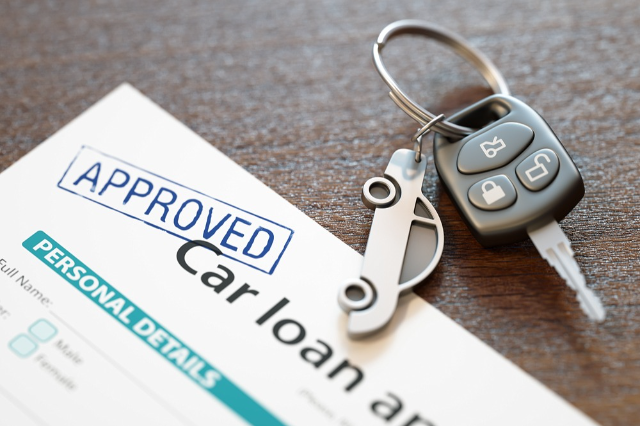
How do you convince the bank to sell their property?
You pay them what you owe them. Every car finance transaction has a settlement amount – think of it as an exit strategy from your agreement. When you want to sell your car, find out how much the settlement amount would be at that moment.
This amount changes every month: as you continue to make payments, you first settle the interest on the transaction, and then the actual cost of the car itself, gradually bringing down the settlement amount. The longer you've been paying off the car, the lower this value will be.

Your car's market value
The moment you drive a new car off the showroom floor, it starts losing resale value. This is called depreciation, and it's an unavoidable reality of car ownership (we're leaving collectible cars, which might actually increase in value over a longer period out of this explanation). Depreciation affects the market value of your car, in other words how much you will be able to get when you sell it, meaning that your car is now most likely worth considerably less than you originally paid for it.
This brings the first snag in your plans to sell it. If you can't sell it for enough money to settle the outstanding amount with the bank, you will end up having to pay the shortfall to the bank from your own pocket (or with a new loan). Of course, if you owe less than the car is worth, you will end up with some money in your account once you've settled with the bank.

How to determine your car's worth
Today's buyers are a savvy bunch: in a private sale, they're unlikely to pay much more than trade value (the price which dealers would typically pay), because they're able to research current market values on the internet. And of course, a dealership will always try to offer you somewhat under trade value, because they also want to maximise their profits.
Your safest option would be to use the trade value as a guideline, and determine if you owe the bank less than the trade value. If the difference is to your satisfaction, you could decide to sell your car (and how much you want for it), but if you owe more than it's worth, you should rather wait until that situation has turned around before selling (unless you can afford a loan to finance the shortfall, or if you're planning to trade up to a much more expensive car).
Getting down to business
Once you've dealt with the financial considerations, it's time to set the sales process in motion. This differs slightly between selling to a dealership (trading it in) and selling to a private individual, but the basic steps are similar in principle.
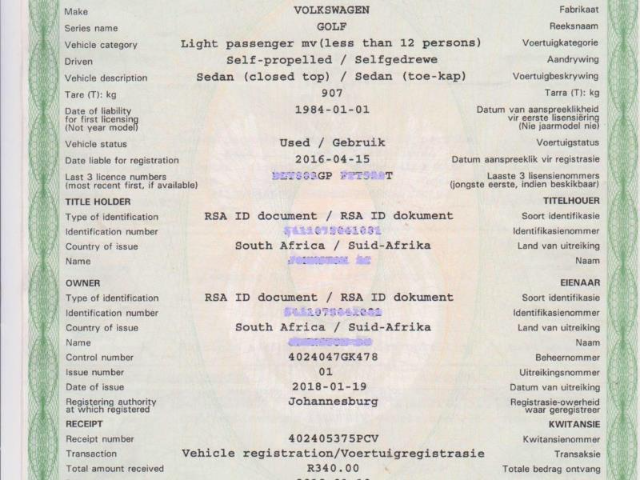
- Disclose your settlement amount to the buyer. This will allow them to deposit the outstanding amount directly to the car's loan account, which will convince the bank to sell their asset. They will release the car's certificate of registration (the title) to either yourself or directly to the buyer – that option is for you to decide.
- Any leftovers once the bank got their share must then be deposited into your own bank account. This will come in handy when you put down the deposit on your next car.
- Once all payments reflect in the appropriate accounts (and are irreversible), you can complete the transaction by signing a bill of sale (just a document which states that you're selling your car to this buyer, and the conditions of the sale), handing over the certificate of registration and the Notification of Change of Ownership (NCO) form which you've now acquired from the bank, and giving the buyer the keys to his new acquisition.
- If the buyer is financing the transaction, their bank will deal with your bank, transfer the car's title to their name, and deposit any amount due to you into your own account. The same applies when you sell to a dealership.
It's not a complex process, and while it involves a fair amount of paperwork and some phone calls, selling a car which is still financed can be accomplished fairly easily. Just make sure it makes financial sense before you do it...
Can I Sell A Car I Still Owe Money On
Source: https://www.autotrader.co.za/cars/news-and-advice/selling-a-car/rules-to-sell-a-car-while-its-still-financed/26
Posted by: andersonnotted.blogspot.com
0 Response to "Can I Sell A Car I Still Owe Money On"
Post a Comment